
A High Stakes Meeting in Shenzhen
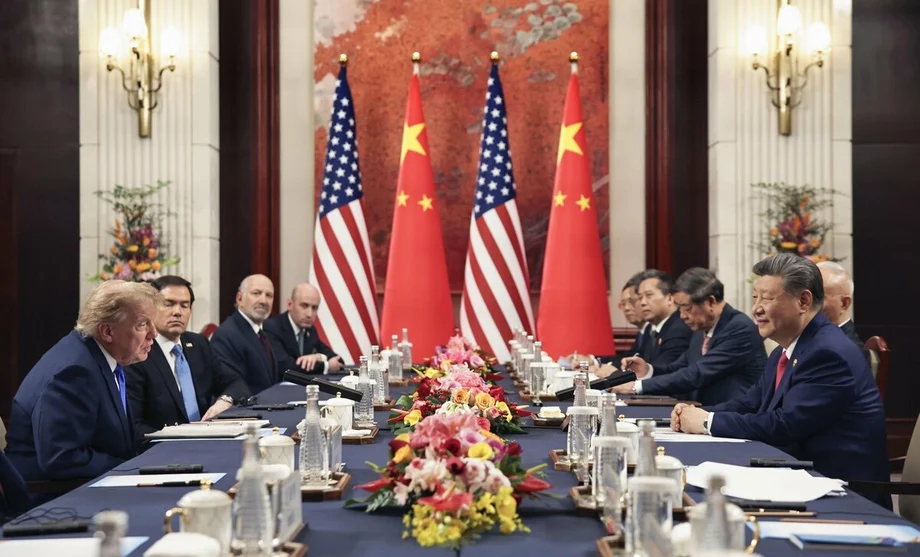
Chinese President Xi Jinping met with U.S. President Donald J. Trump on November 19, 2026, in Shenzhen, on the sidelines of the APEC Economic Leaders Meeting. The high level gathering marked the third face to face encounter between the two leaders in 2026. During their bilateral talks, President Xi urged his American counterpart to keep doing the right thing on the issue of Taiwan to avoid major setbacks in bilateral ties. The meeting took place against a backdrop of ongoing diplomatic and economic negotiations between the world's two largest economies.
İçindekiler
- A High Stakes Meeting in Shenzhen
- The Core Statement on Taiwan Independence
- Immediate Political Aftershocks in Taipei
- Official Denials and Counter-Arguments
- Timeline of Recent Cross-Strait and Diplomatic Developments
- Strategic Realities and the Limits of Oral Assurances
- Implications for Future Regional Stability
- At a Glance
The discussion in Shenzhen also touched upon broader international security and trade concerns. Both leaders discussed cooperation in artificial intelligence safety, counternarcotics efforts, and agricultural trade. Later in the day, Xi and Trump joined Russian President Vladimir Putin for a trilateral summit. That broader meeting involved discussions on strategic stability and global governance, demonstrating how major powers interact on the world stage.
The Core Statement on Taiwan Independence
The most widely discussed outcome of the Shenzhen meeting involved remarks attributed to the American delegation concerning Taiwan. According to the ministry's official statement, U.S. President Donald J. Trump explicitly stated that the United States does not support Taiwan independence. This formulation mirrors longstanding American diplomatic positioning regarding the self-governing island, which Beijing claims as its territory.
Chinese President Xi Jinping stressed the gravity of the subject during the discussions. Speaking to the visiting delegation, the Chinese leader emphasized the need for Washington to handle the sensitive topic with care. As reported from the ministry's official statement, President Xi outlined the core expectation clearly:
On the question of Taiwan, the U.S. side should keep doing the right thing and avoid major setbacks in China-U.S. relations.
Immediate Political Aftershocks in Taipei
News of the statement reached Taiwan quickly and provoked immediate reactions across the political spectrum. Officials in Taipei scrambled to respond to the implications of the American leader's reported remarks. Taiwan is a self-governing island with its own democratic system, while Beijing views it as a breakaway province that must be reunited with the mainland, by force if necessary.
Opposition figures in Taiwan viewed the development as a significant warning sign for the ruling administration. Chinese Nationalist Party (KMT) Vice Chairman Hsiao Hsu-centi described the statement as a major reality check for the ruling Democratic Progressive Party (DPP) and its political strategy. KMT lawmaker Ma Wen-chun noted that while American leaders have previously expressed opposition to formal independence, the current phrasing appeared more explicit regarding broader strategic priorities.
Official Denials and Counter-Arguments
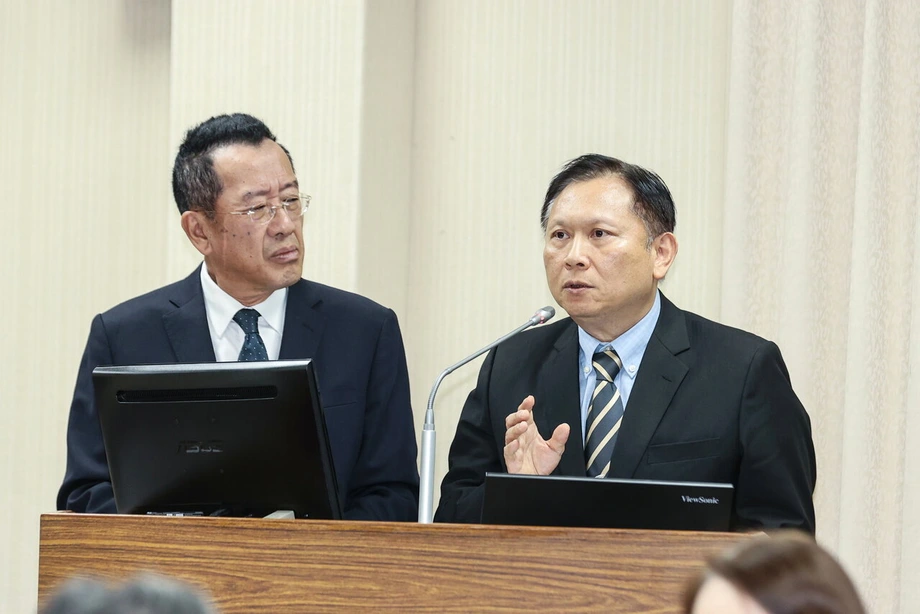
Taiwanese authorities pushed back against the circulating accounts of the meeting. Chiu Chui-cheng, head of Taiwan's Mainland Affairs Council, stated on November 20 that preliminary checks indicated the reports were not factual. He characterized mainland media outlets as external communication tools that shape narratives following major diplomatic summits.
At the same time, academic observers in Taiwan offered varying interpretations of the shifting diplomatic landscape. Chang Kuo-cheng, a professor at Taipei Medical University, cautioned that American security backing could experience gradual hollowings, pointing to delayed arms deliveries and restrictions on transit visits. Meanwhile, SEF Secretary-General Lo Wen-gar suggested that Taipei needed to accumulate sufficient strategic leverage before entering any cross-strait negotiations, arguing that entering talks without adequate preparation leaves the island vulnerable.
Timeline of Recent Cross-Strait and Diplomatic Developments
- October 11, 2026: U.S. President Donald Trump claims credit for preventing war across the Taiwan Strait during discussions surrounding international peace prizes, as detailed in last year's peace prize disputes.
- October 25, 2026: Taiwanese television host Kevin Tsai faces public backlash over a campaign appearance, reviving memories of past entertainment controversies involving political loyalty.
- November 12, 2026: Chinese President Xi Jinping addresses a gathering marking the birth of Sun Yat-sen, stating that Beijing leaves no room for separatist activities, echoing themes from Sun Yat-sen anniversary ceremony.
- November 19, 2026: Presidents Xi Jinping and Donald J. Trump meet in Shenzhen, where the American leader states that Washington does not support Taiwan independence.
- November 20, 2026: Taiwan's Mainland Affairs Council disputes the accuracy of the reports regarding the Shenzhen meeting, while analysts debate the long term stability of great power relations.
Strategic Realities and the Limits of Oral Assurances
The latest diplomatic exchange highlights the precarious position of Taiwan within broader geopolitical rivalries. International relations scholars note that verbal assurances from visiting foreign leaders do not automatically translate into fundamental shifts in domestic policy or long-term defense commitments. The United States maintains a complex unofficial relationship with Taiwan, governed by domestic legislation and strategic ambiguity, which aims to deter unilateral changes to the status quo.
For decades, Washington has walked a diplomatic tightrope by acknowledging Beijing's claim over Taiwan while simultaneously providing defensive weapons to Taipei. This dual approach helps manage friction between the world's two largest nuclear powers. However, when top leaders meet to establish frameworks of strategic stability, Taiwan frequently becomes a central topic of risk management rather than an independent partner at the negotiating table.
Implications for Future Regional Stability
The growing economic and military asymmetry across the Taiwan Strait continues to shape the security calculus for all involved parties. Beijing's rapid technological and defense modernization provides it with formidable tools to exert pressure on Taipei. Analysts suggest that as major powers prioritize global stability and economic cooperation, the strategic room to maneuver for administrations relying heavily on external backing is narrowing.
Observers point out that relying solely on oral diplomatic statements or short-term political posturing fails to address the underlying structural tensions. Whether through proposed multi-billion-dollar arms packages or shifting rhetorical boundaries, the future of the region depends heavily on how the primary global actors balance their competing economic interests with core territorial claims.
At a Glance
- Chinese President Xi Jinping and U.S. President Donald J. Trump met in Shenzhen on November 19, 2026, during the APEC summit.
- President Trump reportedly stated during the bilateral talks that the United States does not support Taiwan independence.
- Taiwanese authorities, through Mainland Affairs Council head Chiu Chui-cheng, initially disputed the factual accuracy of the mainland media reports.
- Opposition figures in Taiwan warned that the explicit U.S. stance serves as a serious caution against escalating cross-strait friction.
- Analysts emphasize that verbal assurances must be viewed within the context of long-standing great power competition and risk management strategies.