
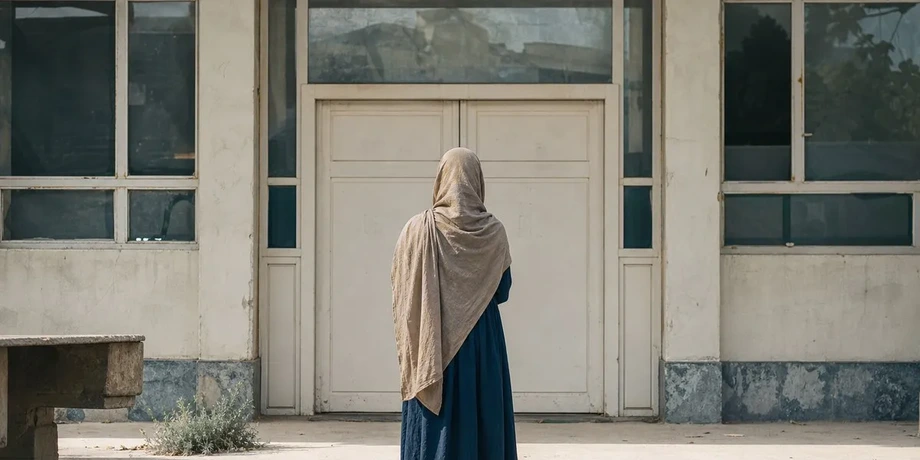
Medical Facility Closures Threaten Vulnerable Populations
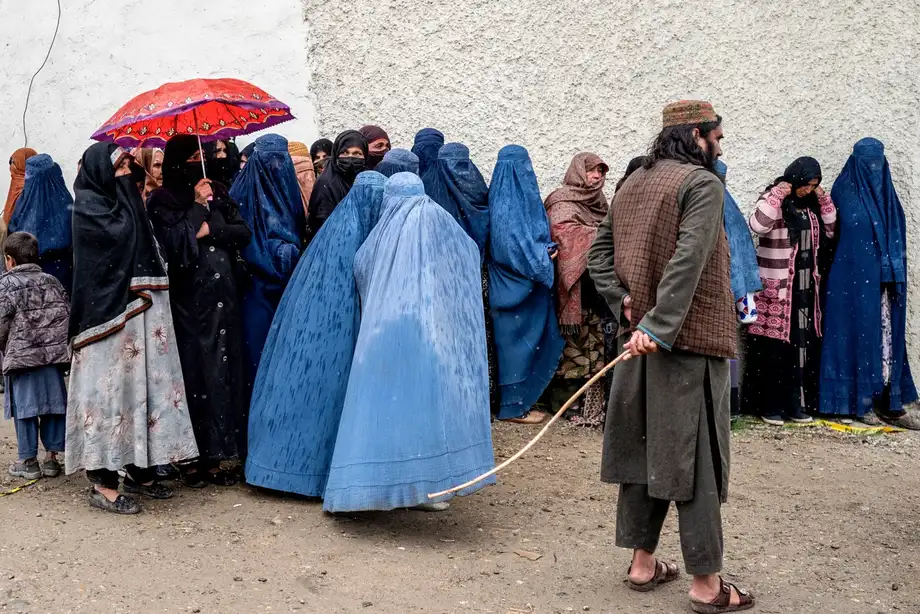
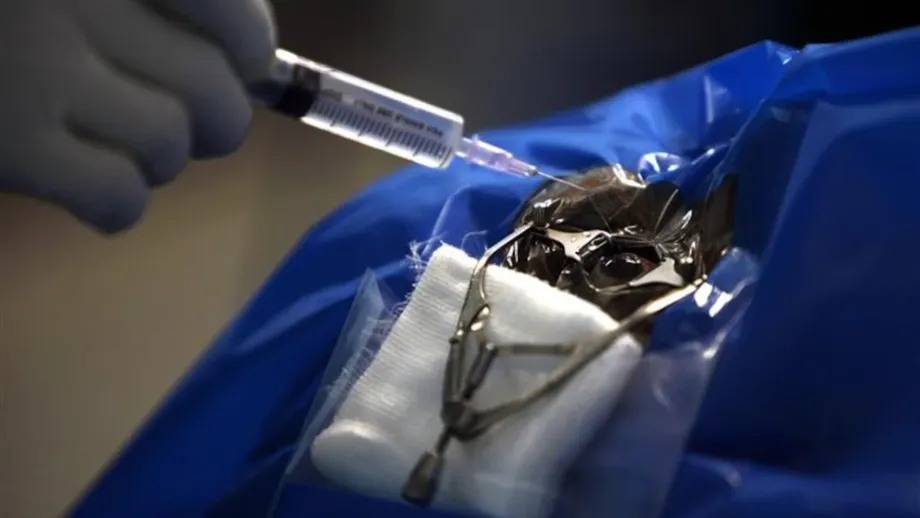
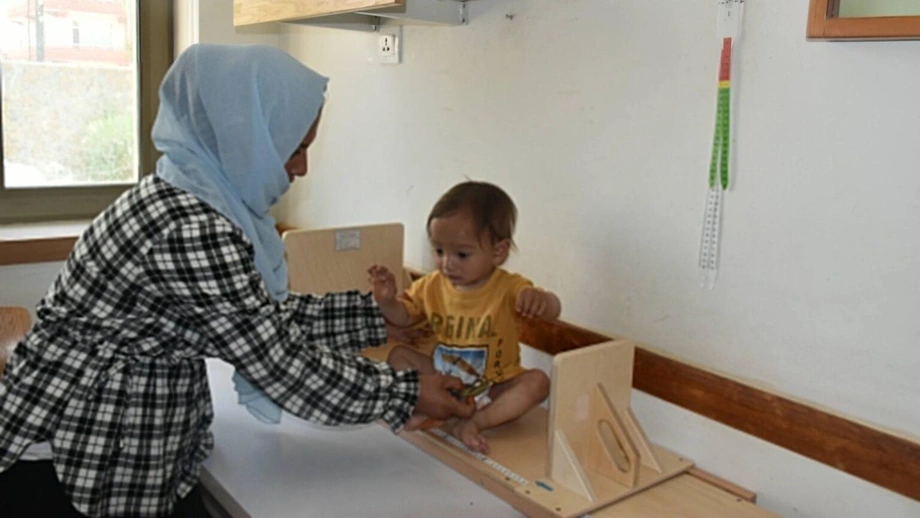
Nearly 300 humanitarian health facilities across Afghanistan have been forced to close or suspend their operations following drastic cuts in international aid. This widespread suspension has severely disrupted healthcare access for over one million women and girls who rely on these clinics for basic medical attention. International agencies and humanitarian partners warn that the compounding financial crisis threatens to leave millions without critical services as the winter season approaches. The closures arrive amid a restrictive political environment where humanitarian organizations struggle to maintain operations under strict governance directives.
İçindekiler
Severe Financial Shortfalls Hamper Aid Delivery
Humanitarian operations face unprecedented funding deficits that threaten to cripple emergency response efforts throughout the country. The Afghanistan Humanitarian Needs and Response Plan requires $1.71 billion to deliver vital assistance and protection services. By October, only $550 million of that total had been secured, leaving 68 percent of the required budget unfunded. Sector specific funding remains alarmingly low, with emergency shelter receiving 15.1 percent of its needed budget, water and sanitation at 16.6 percent, and food security and agriculture at 18.2 percent. Health programs have secured 45.4 percent of their required funds, while overall funding gaps force relief organizations to scale back operations significantly.
United Nations Deputy Spokesperson Farhan Haq announced on November 17 that Emergency Relief Coordinator Tom Fletcher allocated $18 million from the UN Central Emergency Response Fund. This allocation forms part of a $48 million aid package that includes $30 million from the Afghanistan Humanitarian Fund. The combined package aims to assist more than 820,000 individuals, including returnees, internally displaced persons, and host communities, by addressing urgent needs in food, healthcare, nutrition, shelter, and water supply.
Extensive Restrictions Limit Access to Treatment
Governance directives issued since 2021 include more than 100 edicts that restrict the daily lives, freedom of movement, employment, and education of women and girls. These measures include a December 2024 ban that prevents women from studying nursing and midwifery, further reducing the pool of female healthcare professionals. A December 2022 university and NGO work ban and an April 2023 UN work ban compounded these challenges. In a country where cultural and community norms dictate that many female patients can only be treated by female practitioners, these restrictions create insurmountable barriers to receiving medical assistance. Medical workers face severe risks, including potential arrest and violence, if they provide care to female patients outside approved parameters.
Firsthand Accounts Highlight Human Toll
Sofia Calltorp, UN Women Chief of Humanitarian Action, spoke at a press briefing in Geneva on Friday, November 20, after returning from a mission to Afghanistan. She shared alarming examples of the crisis, describing a woman in Kunar province who suffered multiple miscarriages without being able to access any medical assistance. Calltorp also noted that she met men who explained how local restrictions prevented them from providing necessary support to female family members. Kunar province itself remains vulnerable after being struck by a major earthquake last year, compounding the hardships faced by local residents who are experiencing displacement for a second consecutive winter due to weather extremes and regional hostilities.
Students and activists have raised urgent concerns regarding the systematic removal of educational and professional opportunities. Maria, a student whose name was altered for security reasons, shared her aspirations in a phone interview with Amu. "I want to become a doctor. I want to study. It is my right," she said, adding that students must not be forgotten. Nazia, a student in Kabul who also used a pseudonym, described the broader impact of the edicts on the population. She noted that Afghan girls share the fundamental right to study, work, and live freely, but those rights have been stripped away.
Widespread Impact on Protection and Basic Services
The reduction in humanitarian capacity extends far beyond medical clinics, affecting multiple sectors crucial to daily survival. More than 193 support centers dedicated to assisting survivors of gender-based violence have closed their doors across the country. Additionally, approximately 3.4 million women and girls lack reliable access to safe drinking water, sanitation, and hygiene facilities. UN Women provides emergency cash assistance, counseling, and training programs to help individuals start small businesses, though agency officials emphasize that these initiatives cannot fully counteract the damaging effects of the broader restrictions.
Access to education remains severely curtailed, with approximately 2.6 million girls barred from attending secondary schools since the closure of education facilities for girls above grade six in September 2021. Experts warn that prolonged exclusion from education increases the risks of child marriage and maternal mortality. Susan Ferguson, UN Women Special Representative in Afghanistan, described the current situation as the world worst women rights crisis, noting that funding shortages force humanitarian organizations to make agonizing decisions about which individuals receive assistance and which are turned away.
Appeals for International Support
International representatives continue to urge global donors to maintain financial backing for Afghan populations despite competing global crises. Susan Ferguson issued a direct appeal to governments and international donors during recent briefings. "Stay the course and increase, not cut, your support. Back these women," she urged.
Recent diplomatic engagements highlight ongoing efforts by civil society members to advocate for change. A meeting in Kabul on Thursday brought together UN Special Representative Rabab Fatima and roughly 50 prominent figures, including women rights activists, media representatives, businesswomen, and civil society members. The participants discussed pressing challenges and urged greater participation for women in public life.
At a Glance
- Nearly 300 humanitarian health facilities have closed or suspended operations due to funding cuts.
- More than one million women and girls are affected by the healthcare facility closures.
- The 2026 humanitarian appeal for Afghanistan is 32.7 percent funded, with a shortfall exceeding $1.15 billion.
- More than 193 gender-based violence support centers have closed across the country.
- Approximately 2.6 million girls remain barred from secondary education.
- Over 3.4 million women and girls lack adequate access to water, sanitation, and hygiene services.